

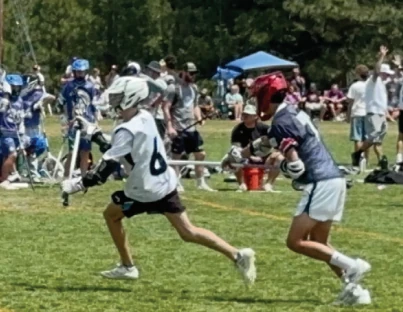
For 14-year-old Sawyer, lacrosse isn’t just a sport—it’s part of who he is. He’s been playing since he was six, starting with Sonoma’s youth lacrosse program in its very first season. After months of club play in Napa, Sawyer was thrilled to rejoin his original teammates—some of the same kids he’d grown up with—as the U14 season kicked off here at home.
But just two minutes into the first game, everything changed.
Sawyer was behind the opponent’s goal when he went in for a legal check. “We knew right away something was wrong,” said his dad, Brett. “You could see his wrist and hand weren’t where they were supposed to be.”
One of the assistant coaches—who happened to be a trained medic—jumped into action. He created a makeshift sling, assessed the injury, and told Brett and his wife, Sarah, to get Sawyer to the hospital immediately. “He was pale and in a lot of pain,” Brett recalled. “Thank goodness Sonoma Valley Hospital was less than a mile away.”
They drove straight from the field to the Emergency Department.
“From the moment we walked in, the care was incredible,” said Brett. “We were checked in right away, and the nurse who greeted us was calm, focused, and kind. She stayed with us through everything, which made all the difference.”
Then Dr. Drew Fenton walked in. Brett, who knew him from the community, felt an immediate sense of relief. “You could tell Drew had done this a thousand times. He explained everything clearly and, most importantly, he talked directly to Sawyer—not just to us. That meant a lot.”
An X-ray confirmed the injury: a fracture through Sawyer’s growth plate—a complex break that, because of his age, could be corrected without surgery. The team would need to sedate him briefly to set the bone back in place.
“Dr. Fenton explained exactly what medication they’d use and what we should expect,” said Brett. “He even described how Sawyer might feel afterward. That kind of clear, compassionate communication really calmed us down.”
From the doctors to the nurses, the team worked in perfect sync—double-checking every step, talking through the plan, and making sure Sawyer felt safe and cared for throughout the procedure. When he woke up, a follow-up X-ray showed that everything was back in place.
“The nurses were amazing,” Brett said. “They were confident and warm, and they made Sawyer feel at ease in what could have been a really scary moment. They even got him to laugh. That kind of bedside manner makes all the difference—not just for the patient, but for the whole family.”
In the days that followed, Sawyer followed up with his primary care doctor for a final cast and continued healing.
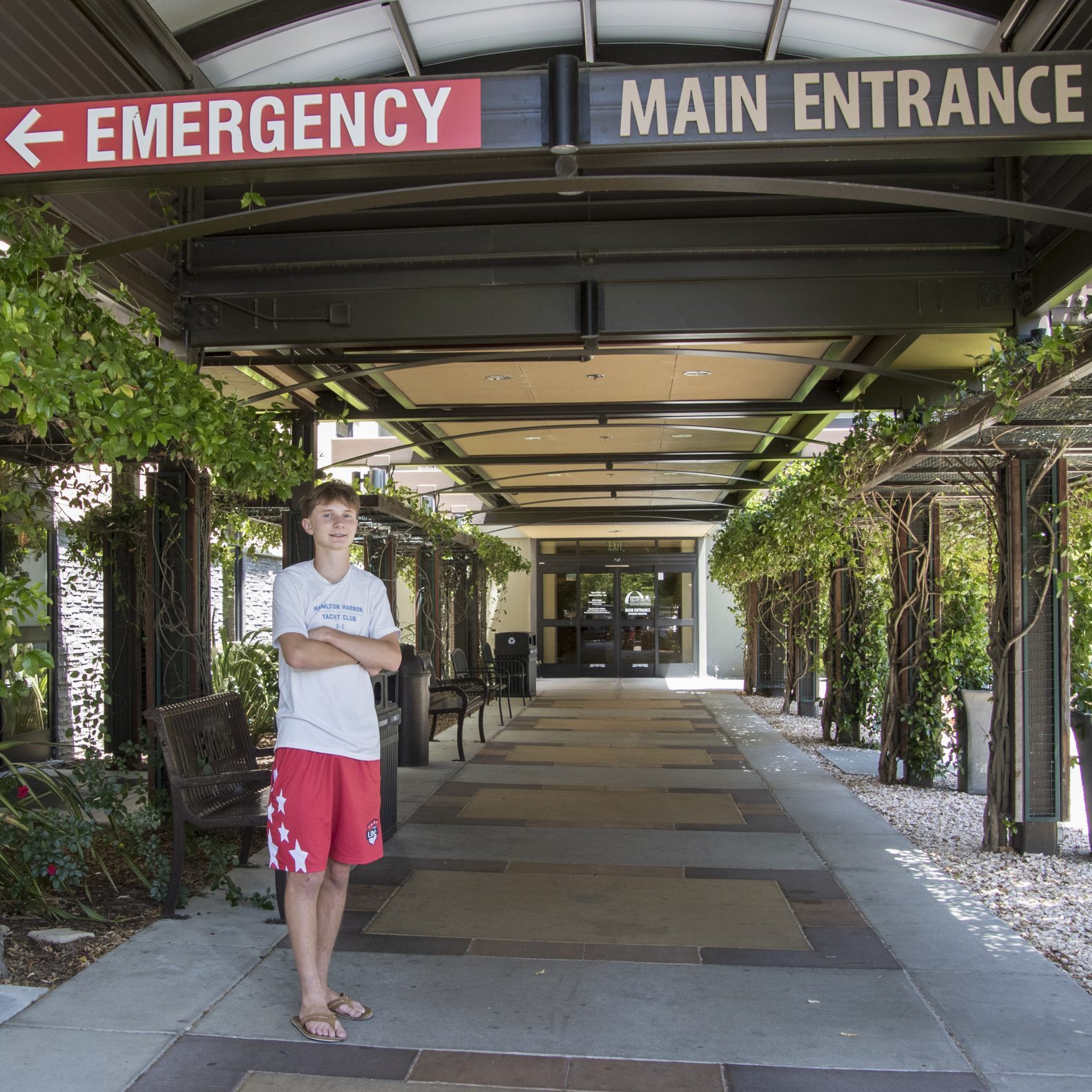
Today, he’s back on the field doing what he loves most—playing lacrosse.
“I’m just so thankful for the services that were provided to me,” Sawyer said. “They helped me get back to doing what I love.”
The experience left a lasting impression.
“We’ve always supported the hospital,” Brett said. “But now it’s personal. This showed us just how important it is to have emergency care close to home—especially when you’re a parent. If we’d had to drive to Santa Rosa or Napa, it would’ve been more painful, more expensive, and way more stressful.”
When asked what he would say to the team that cared for his son, Brett didn’t hesitate:
“You are the best. You made a huge difference to us. These are remarkable people doing remarkable things.”
That’s the kind of care that happens every day at Sonoma Valley Hospital. And with your support, we can keep it going—for every family, in every moment that matters.
Give today to support emergency care that’s always close, always ready, and always remarkable.